El Camino College joins 116 other community colleges across California combatting enrollment fraud, as the system faced over 1.2 million fake applications in 2024 alone, according to the Associated Press.
LightLeapAI, an artificial intelligence software that detects fraudulent applications before they enter the student information system, found that up to 30% of applications at ECC since the 2023-24 academic year were potentially fraudulent.
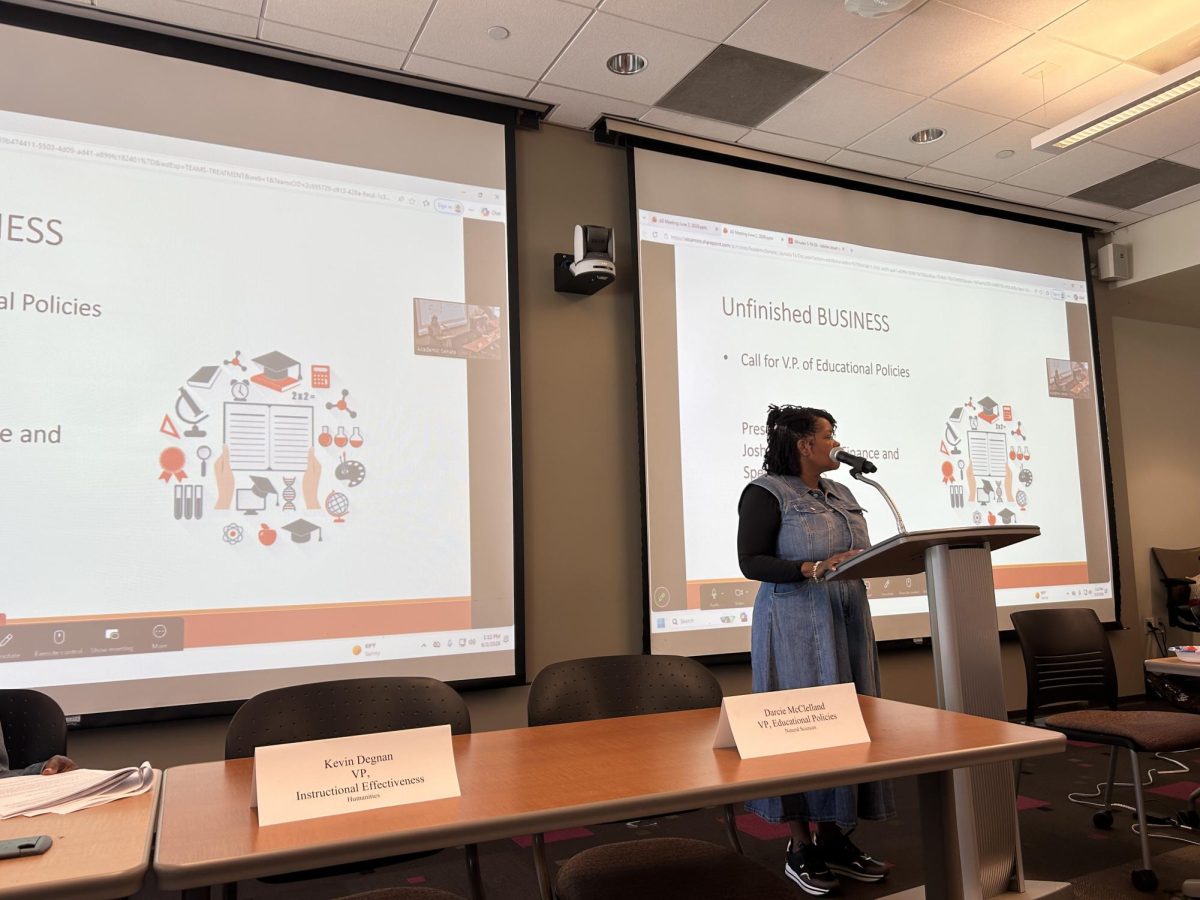
The numbers were revealed in a College Council presentation by Vice President of Equity and Student Services Jeff Stephenson.
“For every fraudulent student that’s in a class taking a seat, or on a waiting list, that’s a slot that isn’t available to an actual student,” Carlos Lopez, the vice president of Academic Affairs, said.
David Brown, assistant director of Financial Aid and Scholarships, said fraudsters will use real social security numbers from identity theft victims to apply for federal financial aid and student benefits.
“So they’re actually hacking student emails, and they’re using that email to send out these messages to other students”, Brown said. “They’re trying to get some private information.”
Campus police warn against falling for these emails and has support available for victims of identity theft.
“We would encourage anybody who’s been a victim to come in. We can redirect people to the right departments, to the right resources,” Sgt. Ruben Lopez said.
Brown said the goal of the fraudsters is to receive their first Pell grant disbursement.
Federally-funded Pell grants help low-income undergraduates pay for college and necessities. In June, the U.S. Education Department announced it would strengthen verification processes to prevent financial aid fraud in the fall 2025 semester.

The artificial intelligence detecting fraud
ECC was ahead of the curve in contracting LightleapAI in March 2025— paying $54,000 for a one-year subscription to detect rising levels of enrollment fraud since 2023, according to previous reporting from The Union.
“I think last year, we weren’t necessarily prepared for the influx in it, so we learned a lot of lessons this year. There were still pockets of fraud, but we were able to be more proactive in how we addressed it,” Kristina Martinez, associate dean of Counseling and Student Success, said.
However, as of as of July 1, 2025, the Chancellor’s Office will cover the majority of LightLeapAI subscription fees for all 116 community colleges, according to the California Community Colleges Foundation’s CollegeBuys program.
“That relationship [with LightleapAI] is set to continue not just for El Camino, but for all California community colleges,” Martinez said.
Individual districts will only need to contribute just $3,000 and N2N Services, the developer of LightleapAI, will assist early-adopting colleges including ECC in transferring to the new funding model.
Before LighleapAI was implemented, faculty often took the brunt of dealing with bot students, according to previous reporting from The Union.
Students and faculty encountering less fraudulent students
Faculty teaching online classes were asked to have a weekly assignment for students to post a picture.
“At that time… that was thought to be something only a human could do… so if someone didn’t post a picture, then we would assume that this person might be an AI bot or something,” English professor Stephanie Schwartz said.
Inside the classroom, students are having an easier time registering for classes this semester than during spring semester 2024.
Such is the case for radiology major Marisela Ibarra, 28, who faced problems registering for her classes in the spring.
“By the time it came for my appointment time, most of my classes were full … I kept checking the class to see if any spots were available,” Ibarra said.
With the implementation of LightleapAI, ECC hopes to take the front-line burden of detecting fraud off the faculty.
“Now we’re really trying to make our faculty the last line of defense because our faculty should be teaching the students that are actually in the classes, not trying to catch up with fraudulent enrollment,” Lopez said.
Other avenues to fight fraudulent enrollment are still being explored, including a fee policy by the California Community Colleges Chancellor’s Office.
A $10 fee for applying to a community college was proposed to deter bad actors, and although it was generally rejected, the idea is still being considered.
“They’re doing it in mass … sending out fishing lines and they’re trying to get as many bites as they can but if they had to pay $10 for every line now, then that’s going to deter them from actually taking that risk,” Brown said.
Editor’s note:
- This article was updated Tuesday, Sept. 16 at 9:20 a.m. to add source names and titles.
- This article was updated Saturday, Sept. 20 at 11:40 p.m. to adjust style and add a photo.