Aspiring emergency medical technicians (EMT) planning to enroll at El Camino College this summer will have more chances to get hands-on training in order to meet their course requirements.
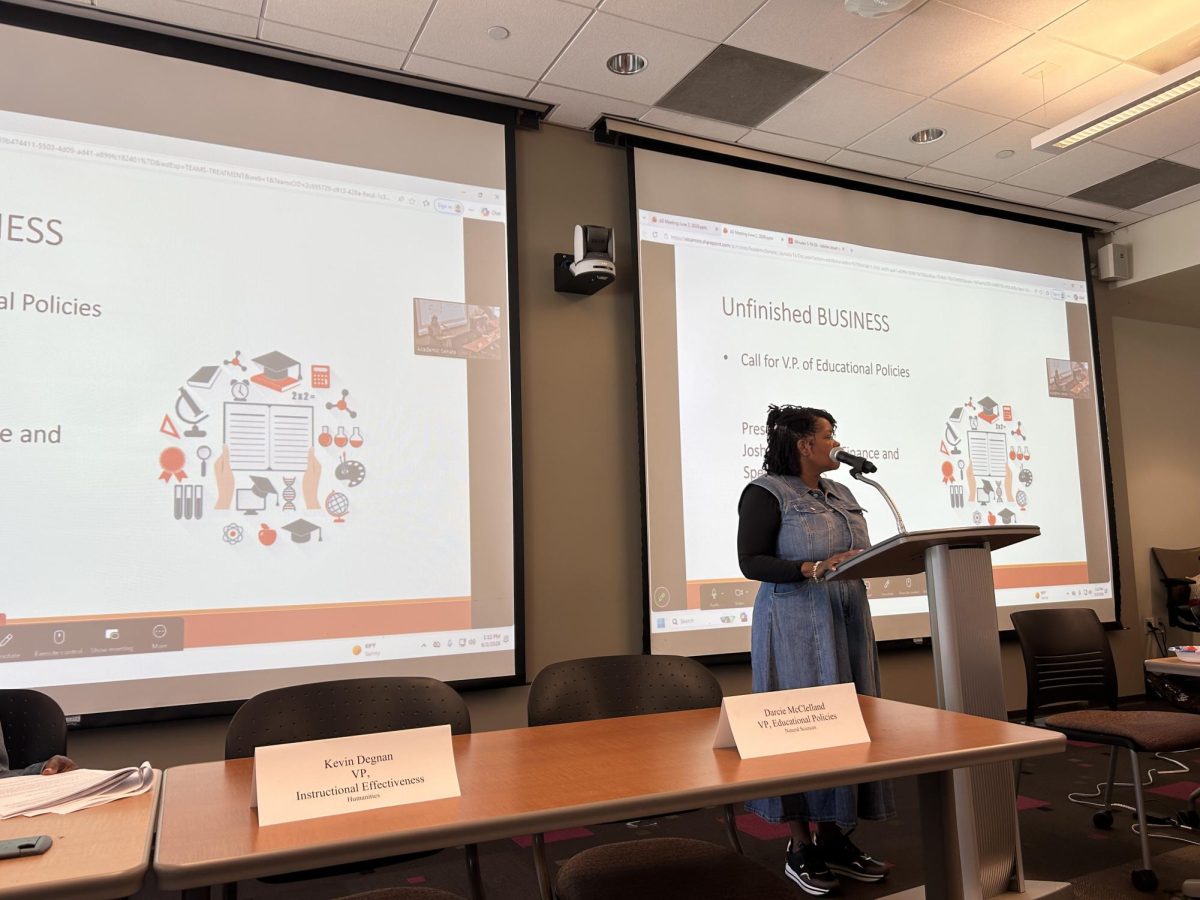
The ECC Board of Trustees voted unanimously to approve an affiliation agreement with LifeLine EMS to provide “supervised and structured field experience” during their Wednesday, May 20 session at the Kenneth A. Brown Boardroom.
“It maintains the quality of our (EMT training) program,” Carlos Lopez, vice president of academic affairs, said. “It’s a required component, so we work really hard to make sure those are in place so our students have the opportunity to complete the program with the required number of clinic hours.”
Lopez said that these are not new contracts, but renewals, as ECC has been “partnered with a number of these companies for a while.”
LifeLine EMS is an ambulance company that services Los Angeles, Orange County and the San Gabriel Valley, according to their Instagram page.
The terms of the agreement, according to Boarddocs.com, will run from June 1, 2026 to May 31, 2028 and doesn’t have a fiscal impact for the college.
The agreement comes as the summer cohort for the EMT training program is set to begin Monday, June 22.
ECC has been working with McCormick Ambulance Service, a private emergency ambulance service based out of Compton, for at least 10 years.
LifeLine will not be replacing McCormick, instead, it will be an additional company that provides hands-on training to accommodate the 200 to 300 students enrolled in the program each semester.
“Due to the size of the classes and the number of classes we’re running, we need an additional ambulance company,” Leonard Garcia, a 49-year-old EMT skills instructor who has taught at ECC for eight years, said.
In order to qualify as an EMT in Los Angeles County, students have to complete at least 24 hours of field experience. These are broken down into two 12-hour shifts.
Following the Covid-19 lockdowns, ECC lost contracts with hospitals because the requirements for students became more strict.
“So we had to now rely 100% on the ambulance companies for our students to get that field content,” Garcia said.
Garcia anticipates that there will be 120 students enrolled in EMT training courses for the summer 2026 semester.
Working with the ambulance companies gives students the opportunity to get field training in both 911 emergency calls as well as inter-facility transfers that involve moving patients between healthcare facilities such as nursing homes, hospitals, dialysis clinics or medical centers.
The plan is for McCormick Ambulance Service to provide on-site experience regarding emergency calls while LifeLine provides field experience regarding inter-facility transfers.
“What’s really great about the (facility transfers) is that it eases your way into the whole medical field,” EMT skills instructor Jeff Chacon, 26, said. “It’s like dipping your toe into the water and just feeling it out.”