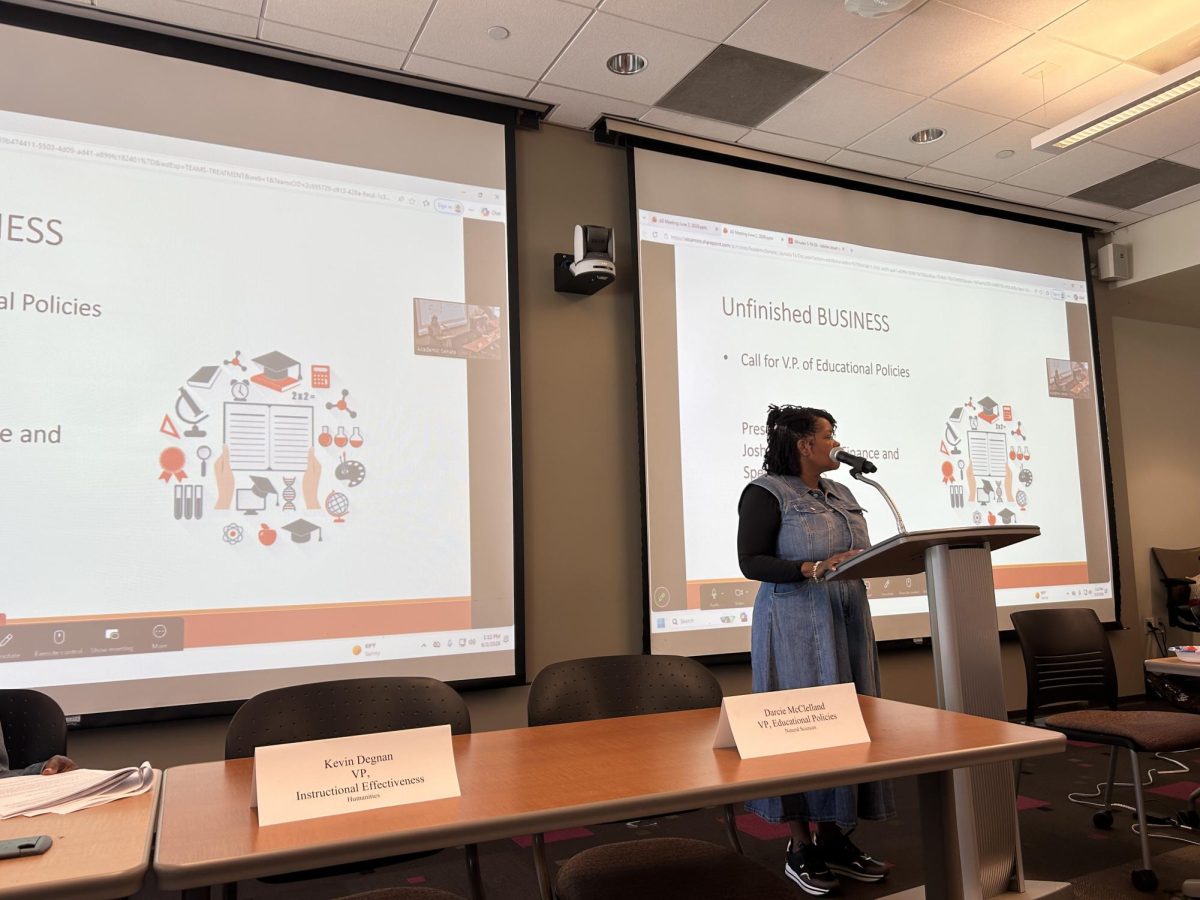
The El Camino College Planning and Budget Committee met Sept. 18, discussing the new goals for 2025-26, the annual budget process and ways to improve planning and transparency.
By law, the Board of Trustees must approve the college’s final budget each year on Sept. 15. Superintendent and President Brenda Thames will send out a campus-wide memo announcing the funding requests were approved.
PBC members expressed that this additional step is meant to make the budget process clearer and more transparent for the entire community on campus.
Committee members raised the need for financial projections before reviewing requests over $5,000.
“We wanted to make sure that [PBC members receiving all pertinent information prior to the meeting in May] was part of the calendar, so that we make very explicit what’s the role of PBC members and be very proactive about taking that information … so that we can make recommendations about those requests in that particular meeting,” Co-chair Viviana Unda, director of Institutional Research and Planning, said during the meeting.
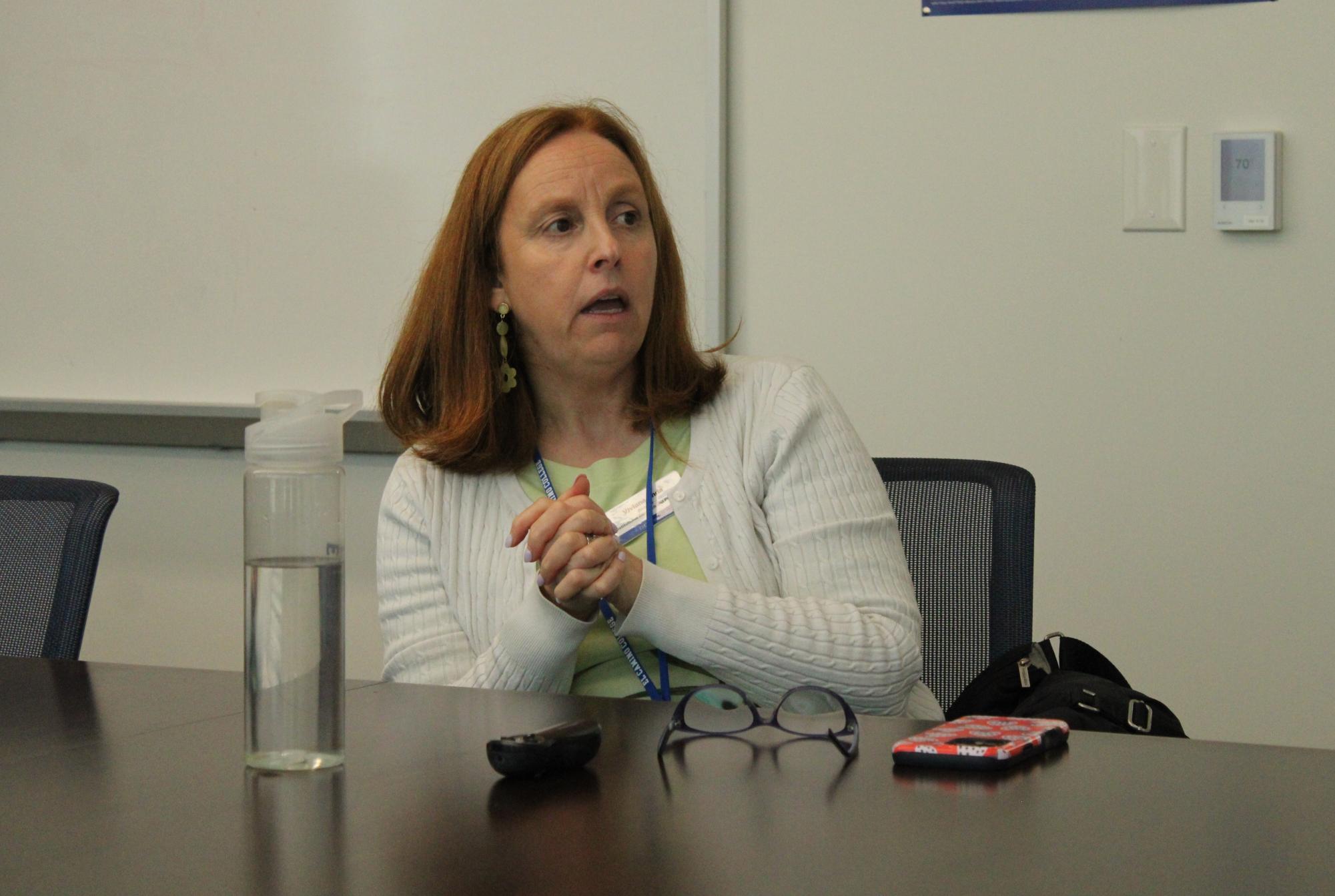
Academic Senate Committee Member Joshua Troesh, business professor, suggested forecasts of balances, revenues, and expenses would help the committee better understand if the ECC budget is flexible or tight.
“I’d love to have that ideally of one meeting in advance, but at the very least, have that come alongside that list of requests,” Troesh said.
Management Alternate Member Ricky Gonzalez, director of Student Development, agreed, pointing out that projections would give the committee and College Council more informed data for recommendations.
“I think almost creating that data poll on just the physical accounts, where we are financially and stuff like that, can help navigate and give us informed recommendation decisions,” Gonzalez said. “So the College Council does get the most accurate and most informed recommendation from PBC.”
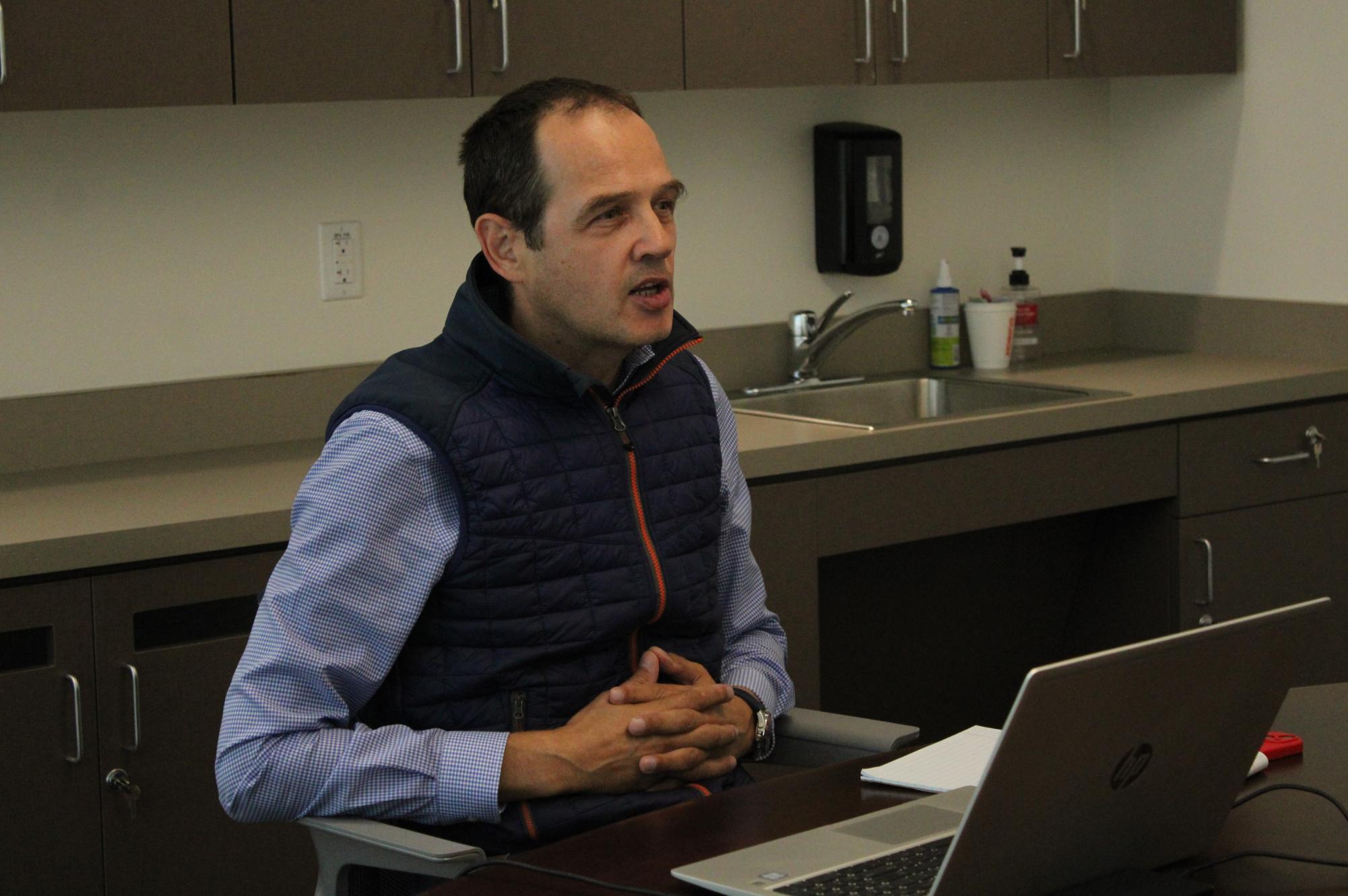
Co-chair Loïc Audusseau, interim vice president of Administrative Services, cautioned that projections longer than 12 months are unreliable, but agreed that a six-month outlook could be useful.
The committee debated whether voting members should be required to attend meetings in person to encourage collaboration. Some members supported the idea. Others raised concerns about commuting conflicts.
“It’s going to be very difficult for me this semester … It would be a 60-mile drive to get to PBC,” Troesh said.
The motion requiring voting members to attend meetings in person did not pass.
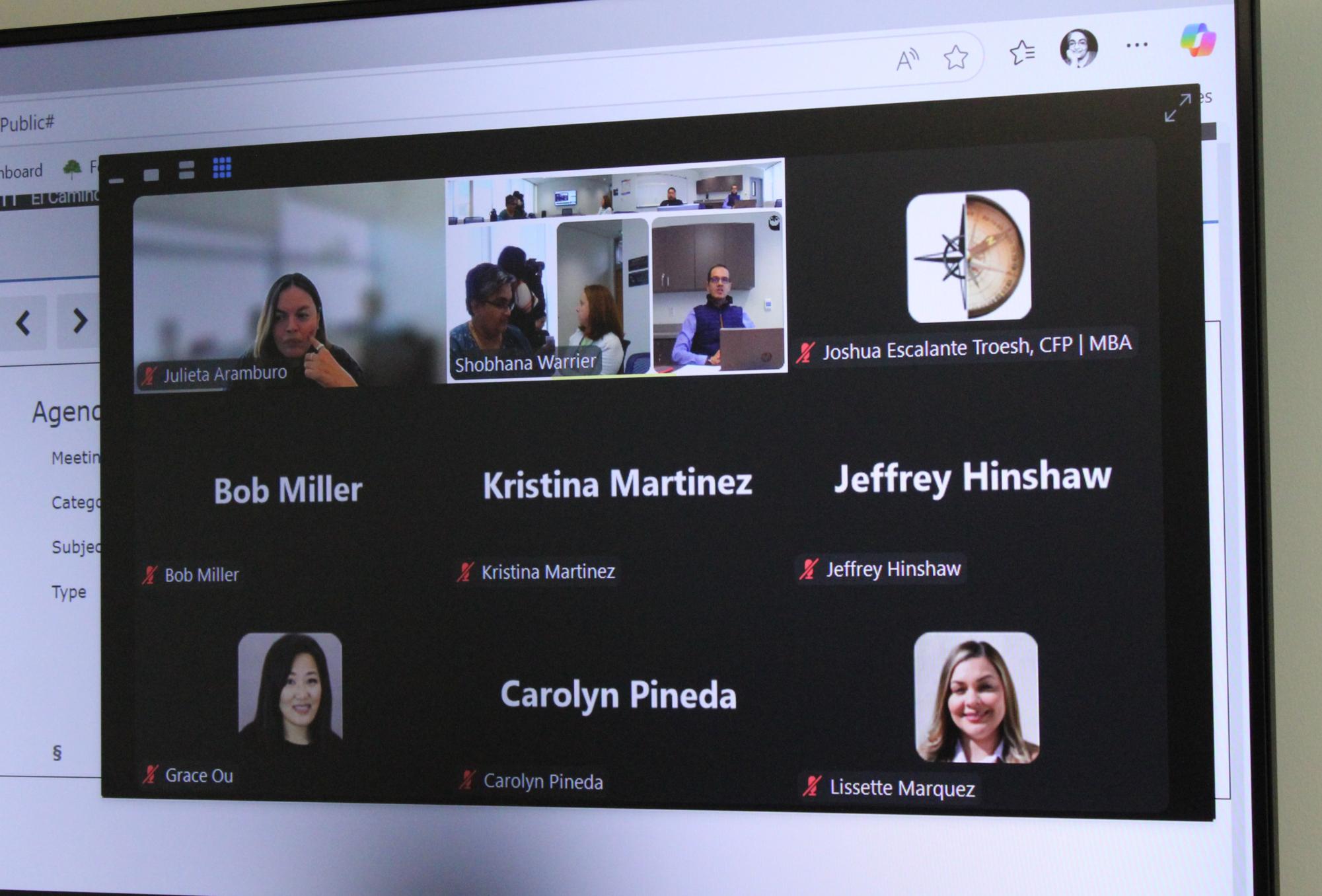
The Committee discussed the difference between planning and budget planning, making clear that future agendas should balance financial discussions with annual and broader strategic planning.
Looking ahead, PBC proposed two major goals for the 2025-26 year.
First is to align the college’s budget with the 2025-28 Strategic Plan and compliance requirement, which is supported by a crosswalk matrix that will connect funding requests to strategic goals.
Second is improving the annual planning and funding process by gathering input from staff, students and faculty to eliminate confusion and increase transparency.
These changes intend to make funding decisions transparent, ensure resources are better aligned with campus priorities and direct support toward programs and services that have an impact on equity and learning.
“We’re putting [these changes] as part of the calendar as a way … to make ourselves accountable,” Unda said during the meeting.
Editor’s note:
- This article was updated Thursday, Sept. 25, to correct the attribution of quoted information and clarify context within a direct quote.